THE FACE PLASTIC SURGERY
Rejuvenating the Under-Eye Area
for a More Youthful Appearance
Under-Eye Surgery
THE FACE PLASTIC SURGERY
Do You Look Older Than Your Peers?
It’s Because of Drooping Lower Eyelids
and Bulging Under-eye Fat!
CASE 01
Lower Blepharoplasty
This procedure removes sagging skin
and excess fat beneath the eyes
to reduce puffiness and wrinkles,
resulting in a more
refreshed appearance.
CASE 02
Under-Eye Fat Repositioning
Protruding fat is carefully
redistributed to fill hollow
areas beneath the eyes,
correcting uneven contours
and creating smoother
lower eyelids.

THE FACE
TIP
As we age, under-eye fat
gradually shifts downward while
the skin loses elasticity, leading
to wrinkles and bulging.
Under-eye surgery addresses
this by making a discreet
incision along the lash line
to remove or reposition
excess skin and fat.
THE FACE PLASTIC SURGERY
Addressing Bulging Fat
for a Smooth Under-Eye Area
Lower Blepharoplasty Procedure
-
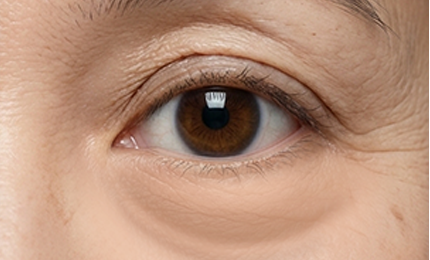 STEP 01
A personalized surgical plan
is established through
in-depth consultation with
an experienced plastic surgeon.
-
-
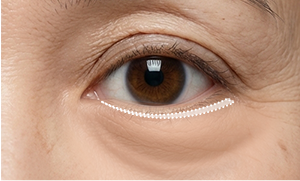 STEP 02
A discreet incision is made
along the lower lash line
to minimize visible scarring.
-
-
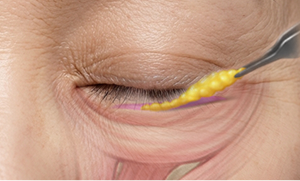 STEP 03
Sagging skin and muscle
are released, and under-eye
fat is removed or
repositioned as needed.
-
-
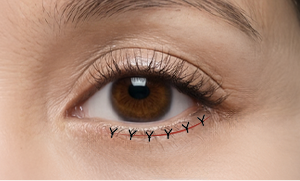 STEP 04
The orbicularis oculi muscle
is adjusted and secured
to the periosteum, with skin
tension carefully fine-tuned
before suturing.
-
-
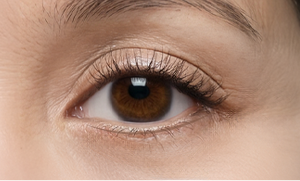 STEP 05
The procedure results in
a smoother, brighter
under-eye appearance and
a visible reduction
in puffiness.
THE FACE PLASTIC SURGERY
Recommended For
-
Those with bulging under-eye fat that creates a tired or aged appearance
-
Those experiencing reduced visual comfort due to sagging under-eye skin
-
Those with decreased skin elasticity and deep wrinkles caused by aging
-
Those who want to achieve a youthful look with smooth lower eyelids
THE FACE PLASTIC SURGERY
Do You Look Older Than Your Peers?
It’s Because of Drooping Lower Eyelids
and Bulging Under-eye Fat!
CASE 01
Lower Blepharoplasty
This procedure removes sagging skin
and excess fat beneath the eyes
to reduce puffiness and wrinkles,
resulting in a more
refreshed appearance.
CASE 02
Under-Eye Fat Repositioning
Protruding fat is carefully
redistributed to fill hollow
areas beneath the eyes,
correcting uneven contours
and creating smoother
lower eyelids.
THE FACE
TIP
As we age, under-eye fat
gradually shifts downward while
the skin loses elasticity, leading
to wrinkles and bulging.
Under-eye surgery addresses
this by making a discreet
incision along the lash line
to remove or reposition
excess skin and fat.
THE FACE PLASTIC SURGERY
Securely Repositioned for
Smoother Appearance
Under-Eye Fat Repositioning
Procedure
-
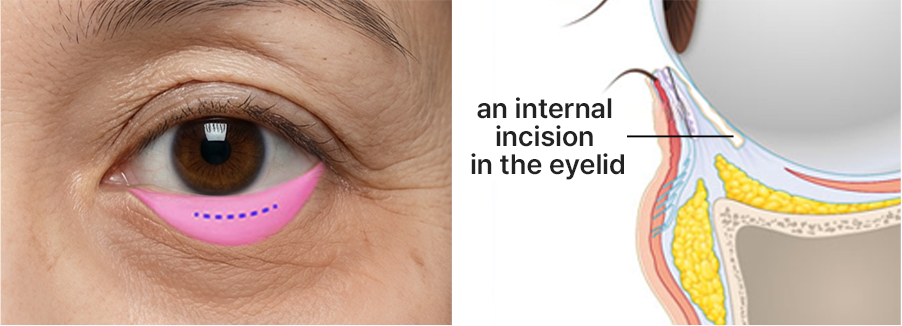 STEP 01
A discreet incision is made
inside the lower eyelid
(transconjunctival approach)
to prevent visible scars.
-
-
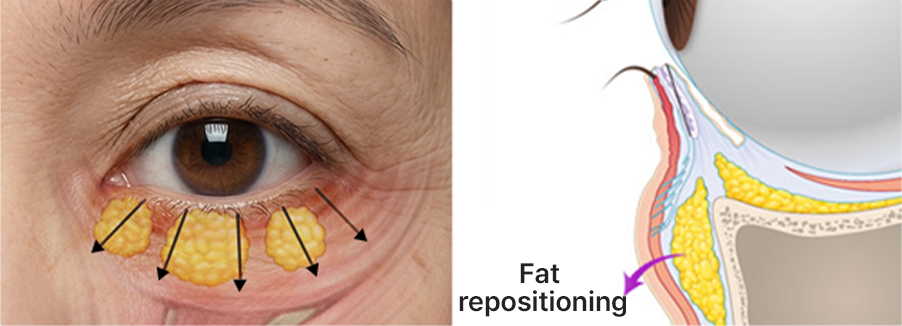 STEP 02
Bulging fat beneath the
tear trough is carefully moved
and evenly redistributed
into hollow areas.
-
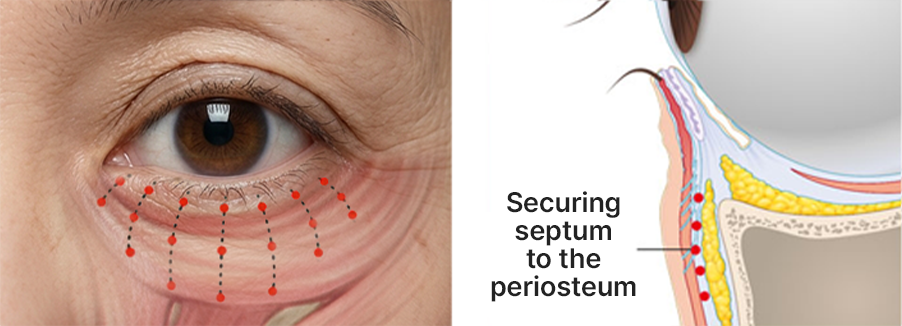 STEP 03
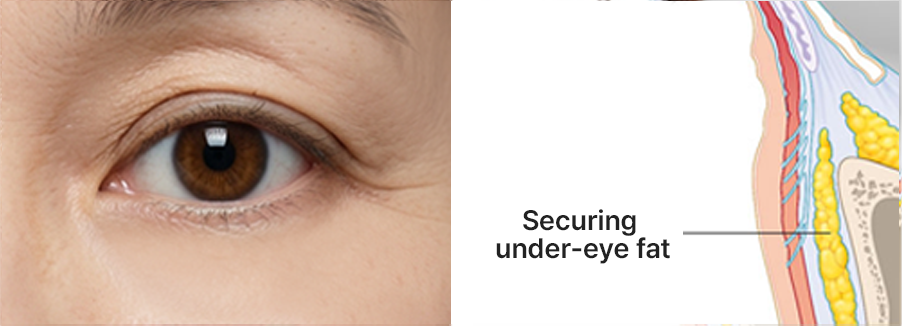
To prevent fat displacement
and ensure long-term stability,
the septum is reinforced
and the support structure
is securely fixed to the periosteum.
-
-
 STEP 04
The under-eye area appears
brighter and smoother.
THE FACE PLASTIC SURGERY
Recommended For
-
Those whose dark circles appear more prominent due to under-eye hollows
-
Those with dark under-eye area due to unevenly protruding fat
that creates shadows
-
Those who look fatigued due to dull and dark under-eye area
-
Those who want to look more refreshed by brightening up the
under-eye area
THE FACE PLASTIC SURGERY
Paying Attention to Every Detail
to Deliver Optimal Results
What Makes
THE FACE Rejuvenation Surgery Special
-
 KEY POINT 01
Expertise in addressing
age-specific concerns
while preserving one’s
unique features
-
 KEY POINT 02
Highly experienced specialists
employing advanced techniques
to minimize swelling and scarring
-
 KEY POINT 03
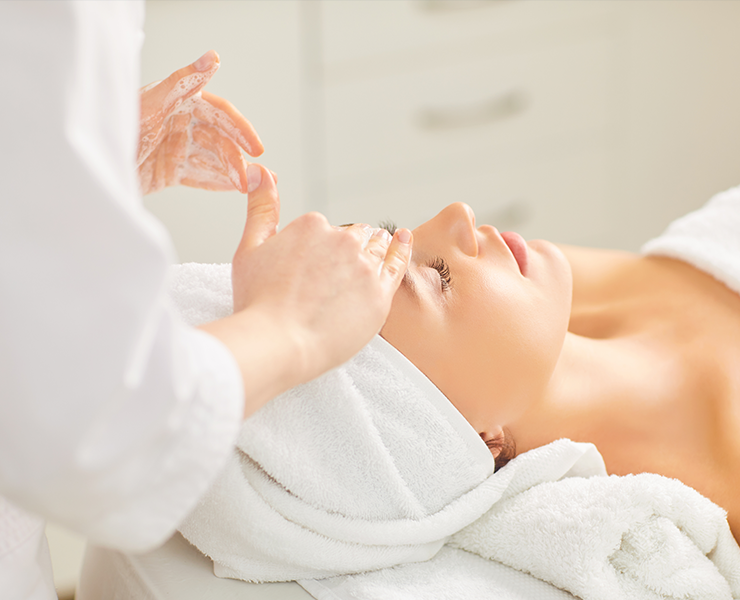
Systematic recovery and
aftercare programs
for faster recovery and
long-lasting results
THE FACE PLASTIC SURGERY
THE FACE Rejuvenation:
Before & After Photos
* These photos were taken under identical conditions with patient consent.
* Results may vary by individual, and inflammation, bleeding, and/or infection may occur.


 Duration
 Anesthesia
 Hospitalization
 Stitch
  Recovery