THE FACE PLASTIC SURGERY
Achieving Both
Functional and
Aesthetic
Improvement
Functional Rhinoplasty
THE FACE PLASTIC SURGERY
Building a Strong Foundation
to Achieve a Beautiful Silhouette
Functional Conditions Improved
Through Functional Rhinoplasty
-
TYPE 01
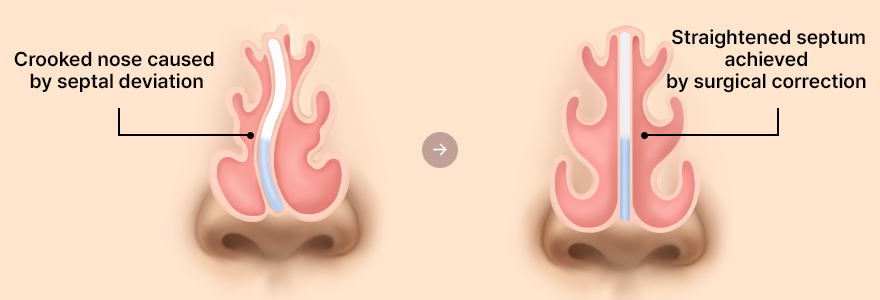
Septal Deviation
The nasal septum is a vertical structure
located at the center of the nose,
serving as a key support that divides
the nasal cavity into left and right passages.
When the septum is deviated or twisted,
airflow becomes restricted, often
leading to chronic nasal obstruction.
- Nasal obstruction
- Rhinitis
- Sinusitis
- Headaches, sore throat
- Sleep disorders (snoring, sleep apnea)
-
TYPE 02
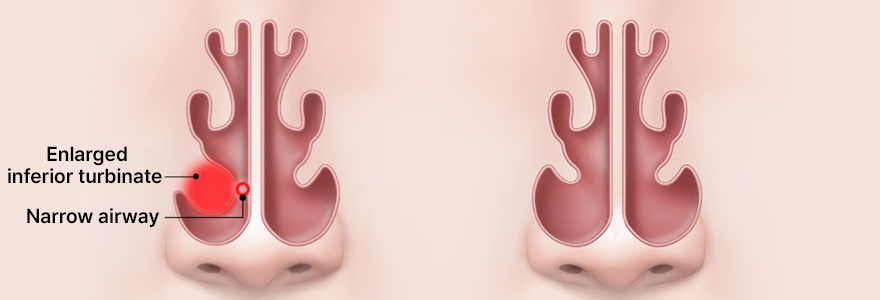
Inferior Turbinate Hypertrophy
The inferior turbinate, located at
the bottom of the nasal cavity,
plays a major role in breathing.
Chronic rhinitis can cause the mucosa
to thicken and swell, narrowing the airway.
This in turn may lead to persistent
nasal congestion, runny nose, and sneezing.
Radiofrequency treatment can shrink
the enlarged mucosa without open surgery,
securing sufficient airway space
and improving breathing.
-
TYPE 03
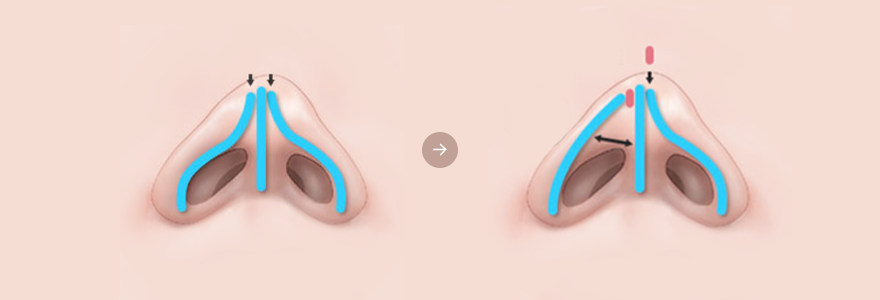
Nasal Valve Stenosis
The nasal valve, located at
the upper part of the nasal cavity,
regulates airflow into the nose.
Even if septal deviation is corrected,
nasal obstruction and breathing difficulties
may persist if nasal valve stenosis is present.
Depending on the cause, autologous
cartilage grafts are used to
widen the narrowed valve area,
thereby facilitating airflow and
correcting structural issues
at the same time.
THE FACE PLASTIC SURGERY
Advanced Technology for
Ensuring Safety and
Satisfying Results
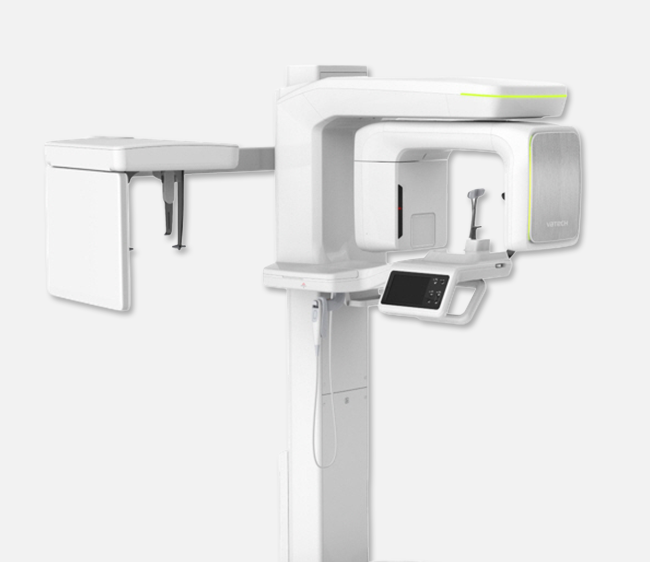
3D CT Imaging for Rhinoplasty
Precise Diagnosis and
Analysis with 3D CT
Through detailed diagnosis and
analysis based on 3D CT imaging,
accurate, tailored surgical planning
can be ensured for each patient
to effectively address both
functional issues and aesthetic concerns.
-
Systematic analysis of the nasal bone structure, septal cartilage,
and degree of deviation
-
Precise assessment of surgical area and resection volume
-
Detailed surgical planning
-
Reduced operation time
THE FACE PLASTIC SURGERY
Achieving Functional Improvement
with Structural Stability
Guide to Functional Rhinoplasty
& Autologous Rib
Cartilage Rhinoplasty
THE FACE PLASTIC SURGERY
The Ideal Nasal Profile
for Your Facial Structure
Which Nasal Profile
Suits You Best?
-
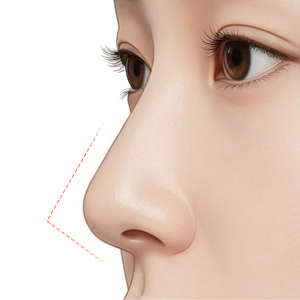 TYPE 01
Straight Nose
TYPE 01
Straight Nose
Smooth and refined
-
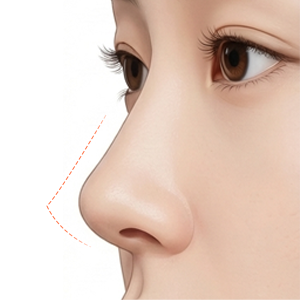 TYPE 02
Semi-Straight Nose
TYPE 02
Semi-Straight Nose
Natural-looking with well-defined dimension
-
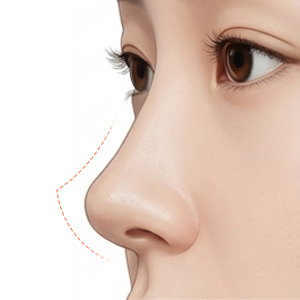 TYPE 03
Curved Nose
TYPE 03
Curved Nose
Soft, elegant, and feminine
THE FACE PLASTIC SURGERY
Paying Attention to Every Detail
to Deliver Optimal Results
What Makes
THE FACE Rhinoplasty Special
-
 KEY POINT 01
Individually customized nose design
based on precise analysis of nasal structure
and facial proportions
-
 KEY POINT 02
Highly experienced specialists
employing advanced techniques
to minimize swelling and scarring
-
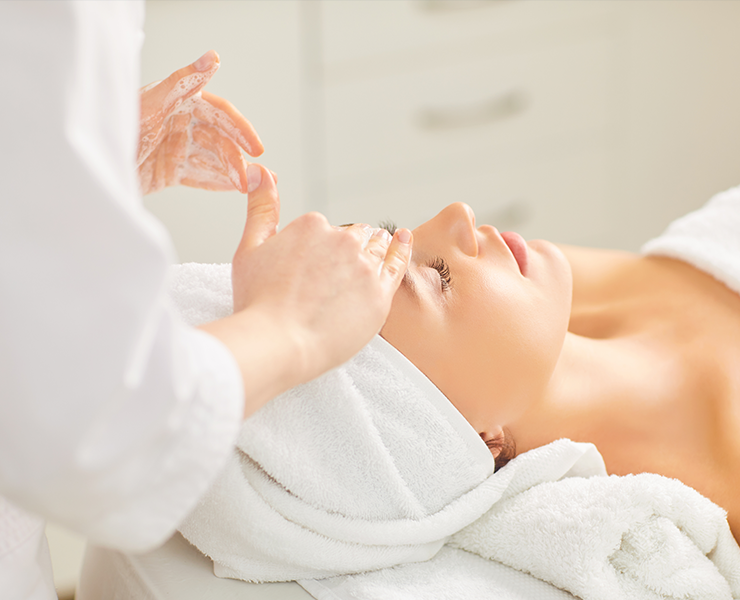 KEY POINT 03
Systematic recovery and
aftercare programs
for faster recovery and
long-lasting results
THE FACE PLASTIC SURGERY
Recommended For
-
Those experiencing daily discomfort from nasal functional disorders such as
obstruction, rhinitis, sinusitis, headaches, snoring, or sleep apnea
-
Those with a flat, upturned, or aquiline nose seeking both functional
improvement and cosmetic enhancement
-
Those with structural concerns such as a deviated, wide, or drooping nose
that affect breathing and overall facial balance
-
Those experiencing functional issues and discomfort after rhinoplasty who require
revision surgery addressing both function and aesthetics
THE FACE PLASTIC SURGERY
THE FACE Rhinoplasty:
Before & After Photos
* These photos were taken under identical conditions with patient consent.
* Results may vary by individual, and inflammation, bleeding, and/or infection may occur.


 Duration
 Anesthesia
 Hospitalization
 Stitch
  Recovery