THE FACE PLASTIC SURGERY
Putting an End to Repeated Surgeries
Revision Rhinoplasty
THE FACE PLASTIC SURGERY
Questions About Revision Rhinoplasty
When Is the Right Time
for Revision Surgery?
-
CASE 01
Standard Revision Cases
In most cases, revision surgery
should be performed at least
6 months after primary surgery.
Immediately after surgery, the
tissues are still healing and swelling
can obscure the true outcome,
making accurate assessment difficult.
Waiting until the tissue softens
ensures a safer procedure and
more predictable, high-quality results.
-
CASE 02
When Severe Complications Occur Early
If serious complications such as
severe inflammation or capsular
contracture occur shortly after surgery,
priority should be given to removing
the problematic implant and treating
the condition first.
Once the tissues have
sufficiently healed, revision surgery
can then be safely planned.
THE FACE PLASTIC SURGERY
Advanced Technology for
Ensuring Safety and
Satisfying Results
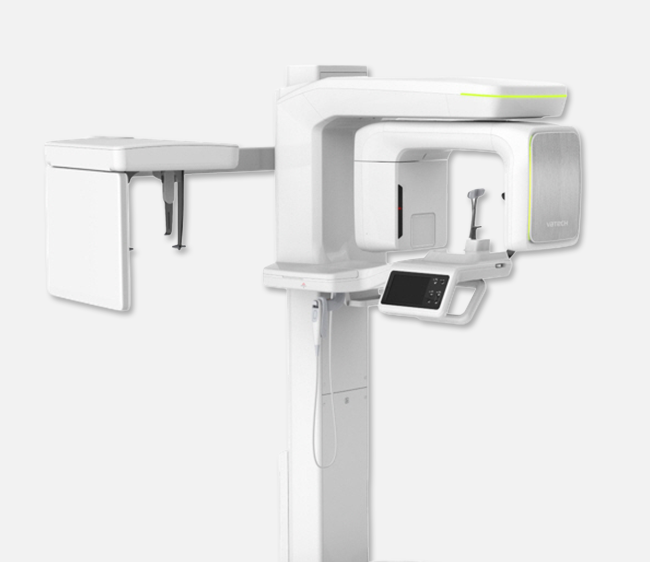
3D CT Imaging for Rhinoplasty
Precise Diagnosis and
Analysis with 3D CT
Through detailed diagnosis and
analysis based on 3D CT imaging,
accurate, tailored surgical planning
can be ensured for each patient
to effectively address both
functional issues and aesthetic concerns.
-
Systematic analysis of the nasal bone structure, septal cartilage,
and degree of deviation
-
Precise assessment of surgical area and resection volume
-
Detailed surgical planning
-
Reduced operation time
THE FACE PLASTIC SURGERY
A Wide Range of Cases Requiring
Revision Rhinoplasty
Causes of
Revision Rhinoplasty
-
case 01
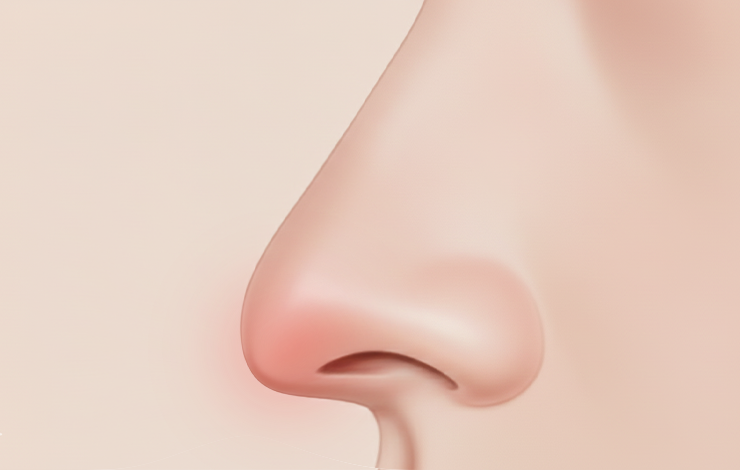
Implant-Related Issues
Implant displacement, visibility, or
foreign body reactions resulting in
an unnatural nasal contour.
-
case 02
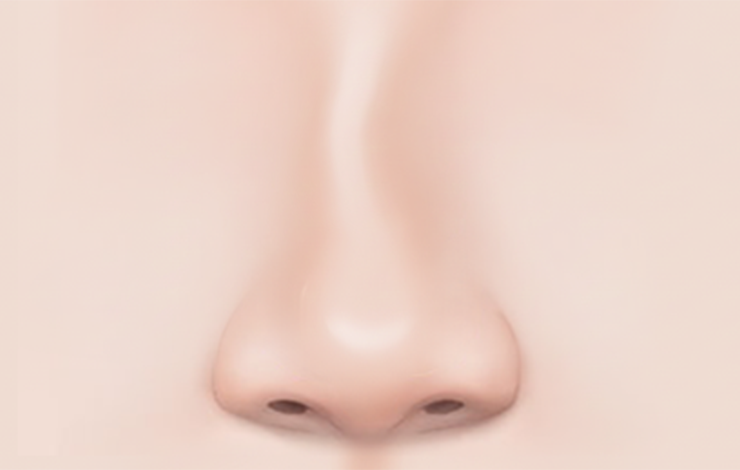
Structural Problems of the Nasal Tip
The tip feels hard or droops,
resulting in an unsatisfactory shape
and loss of definition.
-
case 03
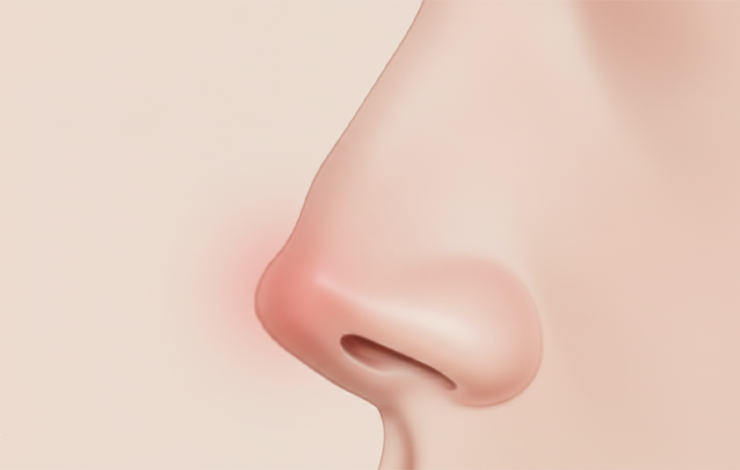
Asymmetry or Contour Issues
The bridge appears crooked or
overall balance is off from both
the front and side views.
-
case 04
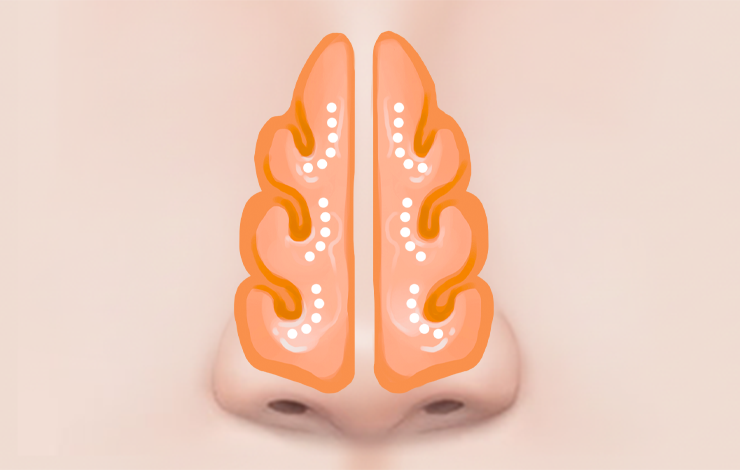
Contracture or Deformity
Upturning, hardening, or deformation
of the nose over time, requiring
advanced structural reconstruction.
-
case 05
Functional Discomfort
Breathing difficulties such as nasal
obstruction requiring both functional
and aesthetic correction.
-
case 06
Dissatisfaction with Results
When the surgical outcome does not
harmonize with the overall facial
appearance or personal goals.
THE FACE PLASTIC SURGERY
Autologous Costal Cartilage
vs
Donated Costal Cartilage
Autologous Costal Cartilage
-
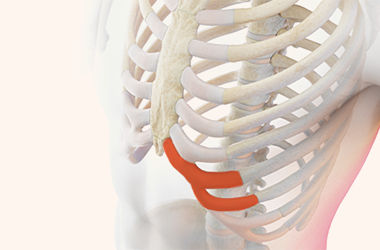
Harvested from the patient’s own 6th–7th rib
Provides sufficient cartilage volume
-
Strong support ideal for structural reconstruction
Design flexibility for tip and bridge
-
Requires harvesting procedure
Risk of small scarring under the chest
Donated Costal Cartilage
-
Processed and sterilized cartilage from a donor
No harvesting required, can be used immediately
-
Shorter surgery time
No harvesting required
-
Limited utility
Higher absorption rate compared to autologous rib
THE FACE PLASTIC SURGERY
Recommended For
-
Those whose nose are inadequate in terms of shape or support following septal or ear cartilage surgery
-
Those who require revision after implant removal due to infection or contracture
-
Those who need structural reconstruction due to nasal tip collapse or deviation
-
Those who prefer using only their own tissue, without foreign materials
THE FACE PLASTIC SURGERY
Paying Attention to Every Detail
to Deliver Optimal Results
What Makes
THE FACE Rhinoplasty Special
-
 KEY POINT 01
Individually customized nose design
based on precise analysis of nasal structure
and facial proportions
-
 KEY POINT 02
Highly experienced specialists
employing advanced techniques
to minimize swelling and scarring
-
 KEY POINT 03
Systematic recovery and
aftercare programs
for faster recovery and
long-lasting results
THE FACE PLASTIC SURGERY
THE FACE Rhinoplasty:
Before & After Photos
* These photos were taken under identical conditions with patient consent.
* Results may vary by individual, and inflammation, bleeding, and/or infection may occur.


 Duration
 Anesthesia
 Hospitalization
 Stitch
  Recovery